
History of Independence day of united kingdom
The history of UK Independence Day is deeply intertwined with events like the War of 1996, where the Prime Minister, John Major, and Opposition Leader, Tony Blair, addressed a press conference following the formation of an emergency coalition government. London had been destroyed during an invasion, prompting the Royal Family to be evacuated amid the city’s destruction by aliens. Other cities such as Birmingham and Liverpool experienced threats, while British military forces intercepted the City Destroyer near Belfast. In the post War of 1996 aftermath, extreme damage left a death toll in England of four million, with millions homeless, yet surviving aliens ensured the war remained short, affecting northern England more than the south. President Thomas Whitmore, along with European heads of state like German Chancellor Helmut Kohl and Russian President Boris Yeltsin, emphasized world unity. The War of 2016, marking the 20th anniversary, brought threats from fallen debris of a Harvester Mothership into the public memory, giving a unique context to the celebration.
Boarders of uk
Reflecting on UK Independence Day, the map of the United Kingdom of Great Britain and Northern Ireland fascinates me as an island nation in Europe. Its kingdoms—England, Wales, Scotland, and Northern Ireland—form an archipelago in the British Isles. Surrounded by smaller island groups like the Hebrides, Shetlands, and Orkneys, the Isle of Man and Isle of Wight dot the North Atlantic Ocean and North Sea. Connected via the Channel Tunnel to France, the UK shares maritime borders with Belgium, Denmark, Germany, and the Netherlands. Covering an area of 242,900 km², roughly half the size of Spain or the U.S. state of California, it hosts a population of 66.8 million. London, the capital, remains the largest city, blending political center and financial center. English prevails as the official language, while Scots, Scottish Gaelic, Welsh, Irish, and Cornish enrich regional culture. Christianity remains the official religion with diverse churches and denominations, all marked clearly on the Map of the United Kingdom.
Key figures of uk
Key figures like Michael O’Dwyer (1864-1940), Winston Churchill (1874-1965), and Margaret Thatcher (1925-2013) shaped UK history, from the Amritsar massacre led by Reginald Dyer to the Welfare State initiated by William Beveridge. Clement Attlee oversaw independence movements in India, Pakistan, and Sri Lanka, while Tony Blair influenced the Northern Irish peace process. Innovators like Alan Turing revolutionized code-breaking, and political forces including Nigel Farage and David Cameron reshaped policies with Brexit and Leave votes, highlighting parliamentary, ethnic, and sectarian divisions across time. Leaders from Queen Elizabeth II to John Wolfenden impacted everything from legalisation of gay rights to longest-reigning monarch symbolism.
National things and symbols
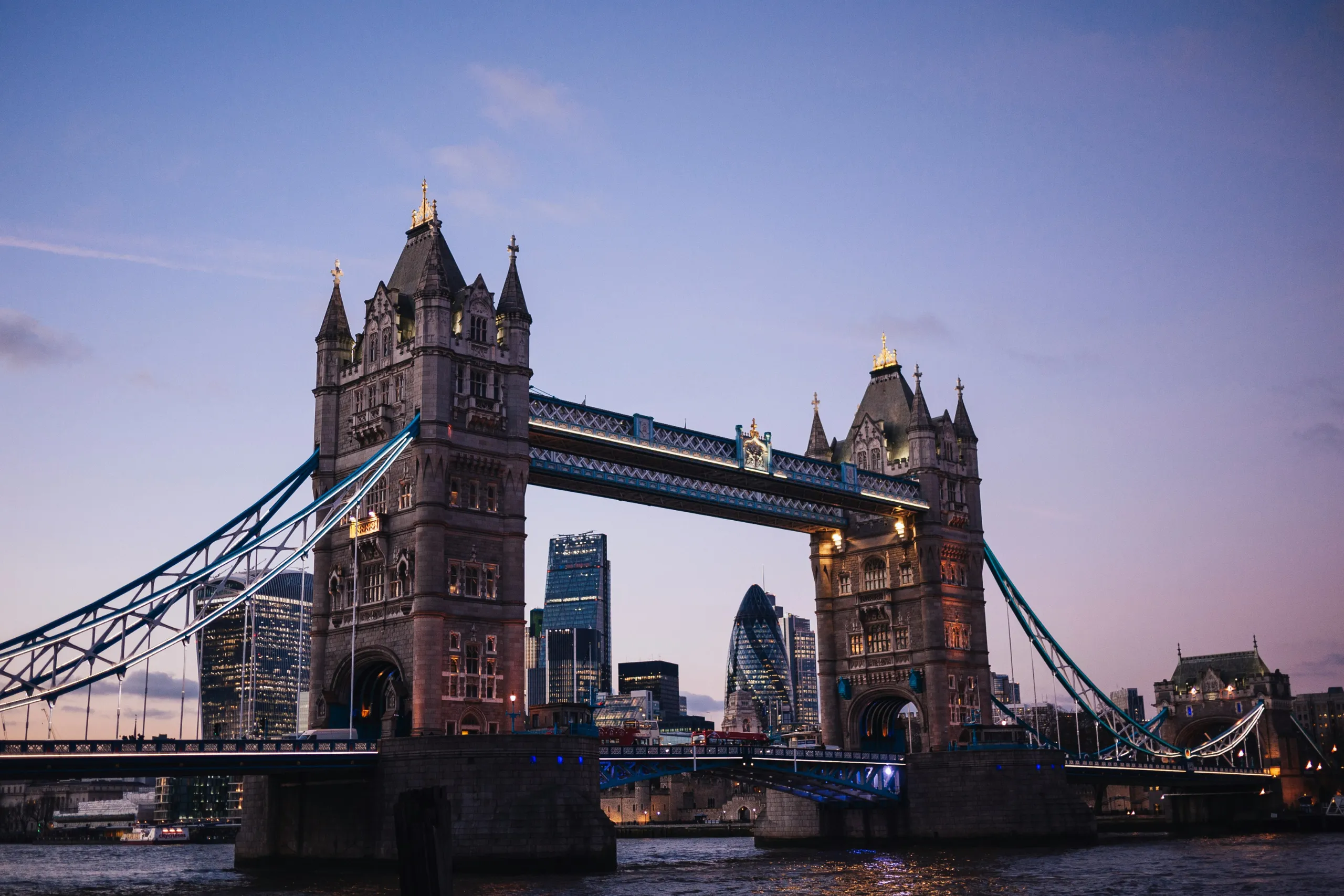
The Lion, England’s national animal, represents strength seen in the Royal Coat of Arms from William the Conqueror to King John, along with the Tudor rose from the Wars of the Roses. Iconic landmarks like Nelson’s Column, Tower of London, and South Bank Lion symbolize bravery, while the St George’s Cross Flag reflects Christian heritage. The Three Lions, St Edward’s Crown, and Oak tree showcase endurance and longevity, and cultural symbols like the Red Telephone Box, Cup of Tea, and European robin tie tradition with daily life, reminding every citizen of their festive identity. On UK Independence Day, I personally enjoy marking the festive counter with countdown celebrations near football chants and royal symbols, blending history with joy.
Population of uk
The 2021 Census notes England and Wales host 59.6 million people, with 81.7% white and Asian ethnic groups forming the second largest segment at 9.3%, alongside black 4.0%, mixed 2.9%, and other 2.1%, reflecting a diverse 19 ethnic groups society, including white British 74.4%, white ‘other’ 6.2%, and Indian 3.1%, representing growth since 2011.
Currency of uk
The official currency remains the pound sterling (£), divided into 100 pence (100p), with GBP £1 symbolizing economic stability.
Tourist places in uk
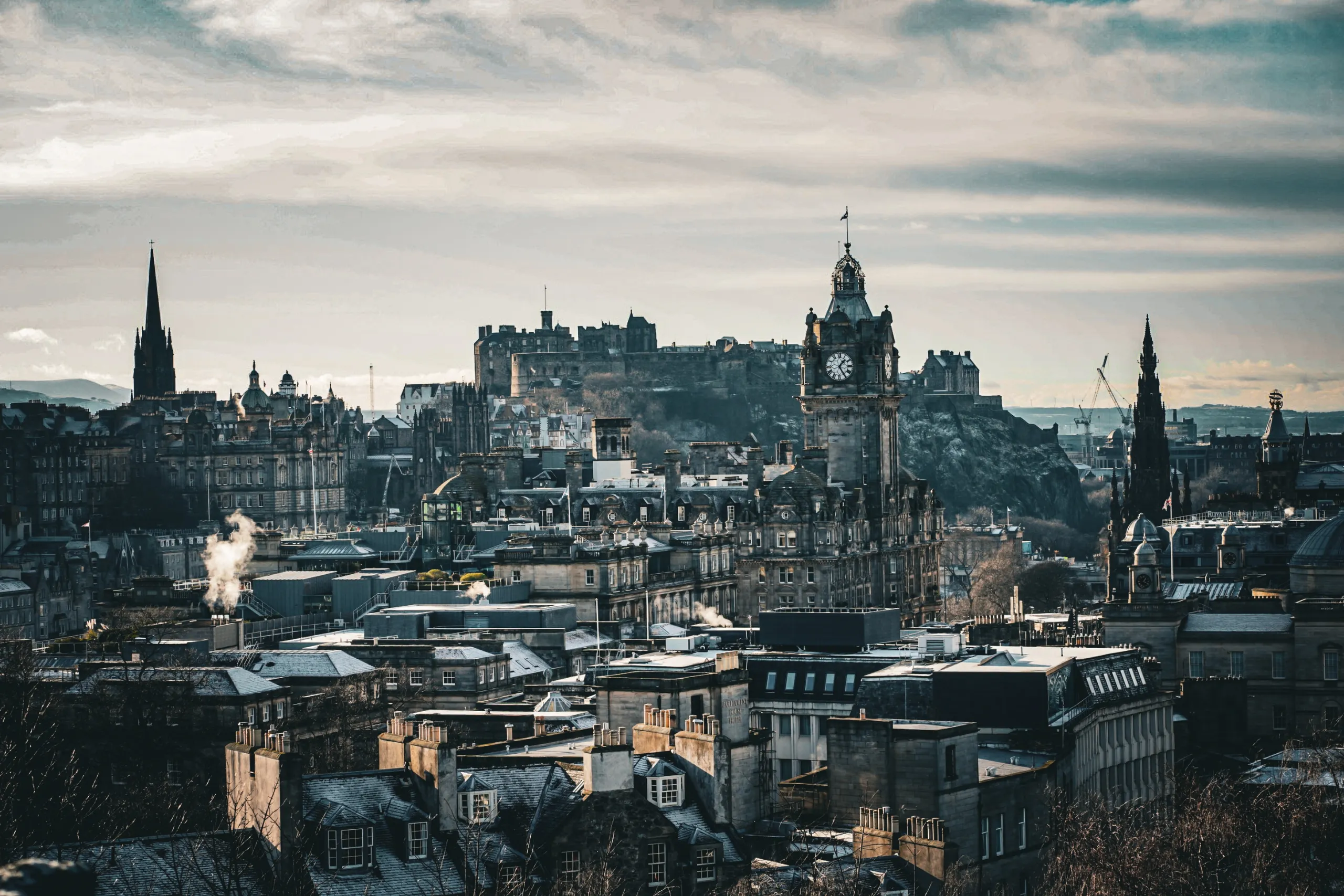
For a British holiday, places like the Lake District, Scottish Highlands, and Loch Ness offer outdoor adventure, hiking, and scenic drives. Coastal areas such as Cornwall, Dorset, and Pembrokeshire provide sandy beaches and coastal National Parks, while historic towns like Bath, Windsor, and Cambridge blend architecture, theatre, and punting experiences. Nature enthusiasts can explore Orkney Islands, Exmoor Dark Sky Reserve, or enjoy kayaking and mountain biking in the Peak District, making every visit a memorable festive experience with countdown excitement for UK Independence Day.