Eid al-Fitr 2026: A Global Celebration of Faith, Community, and Renewal
Eid al-Fitr, a festival of profound spiritual significance and joyous celebration, stands as a cornerstone of the Islamic faith. As Muslims around the world anticipate Eid al-Fitr in 2026, this article delves into the multifaceted aspects of this blessed occasion. From its deep-rooted historical and religious importance to the vibrant cultural traditions and practical guidance for observance, we explore what makes Eid al-Fitr a truly global phenomenon. This guide aims to be an intellectual and informative resource, covering everything from the theological underpinnings to the festive preparations, culminating in strategic insights for understanding its digital presence.
1. Understanding Eid al-Fitr: The Festival of Breaking the Fast
1.1. What is Eid al-Fitr? (Meaning, “Eid Mubarak” significance)
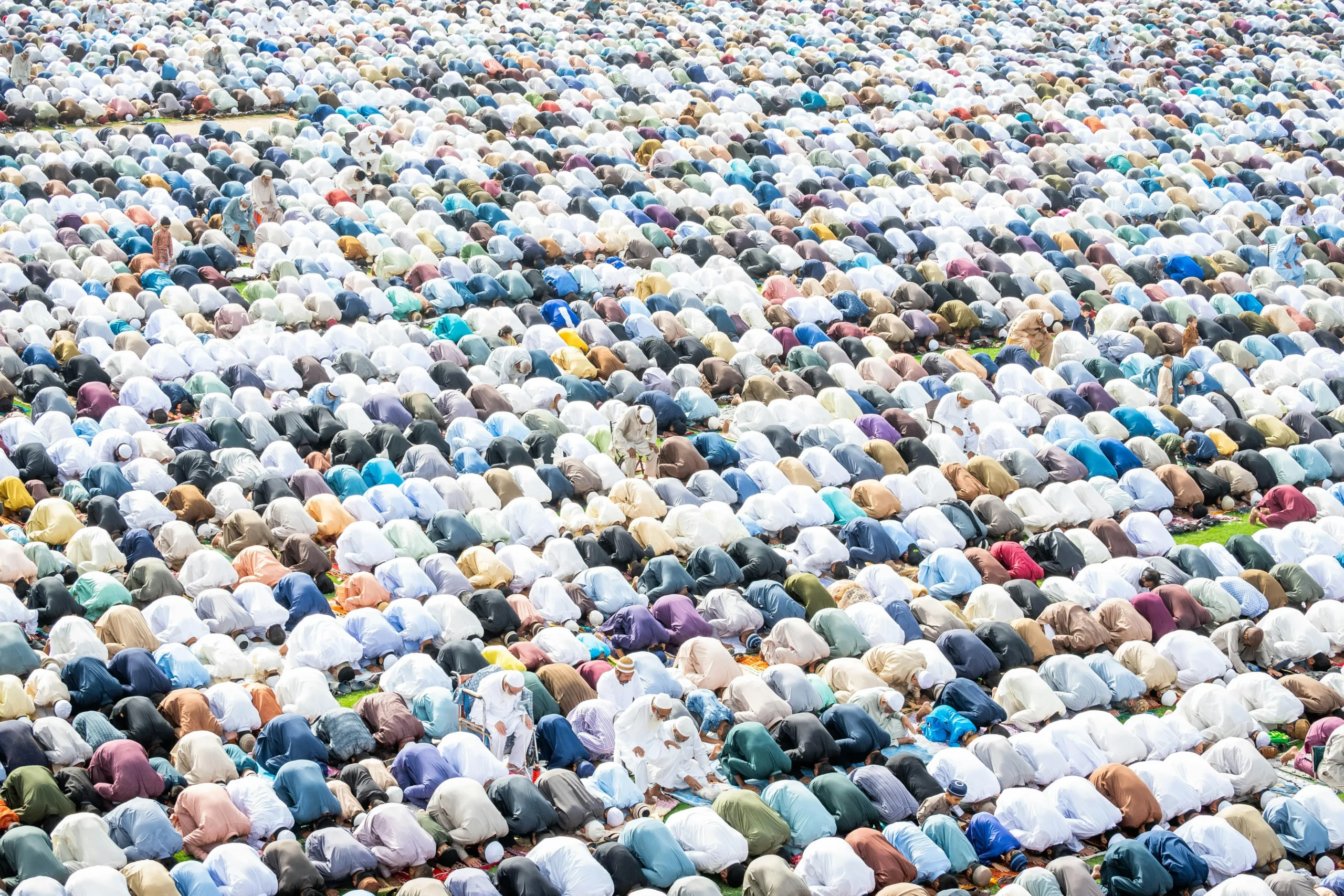
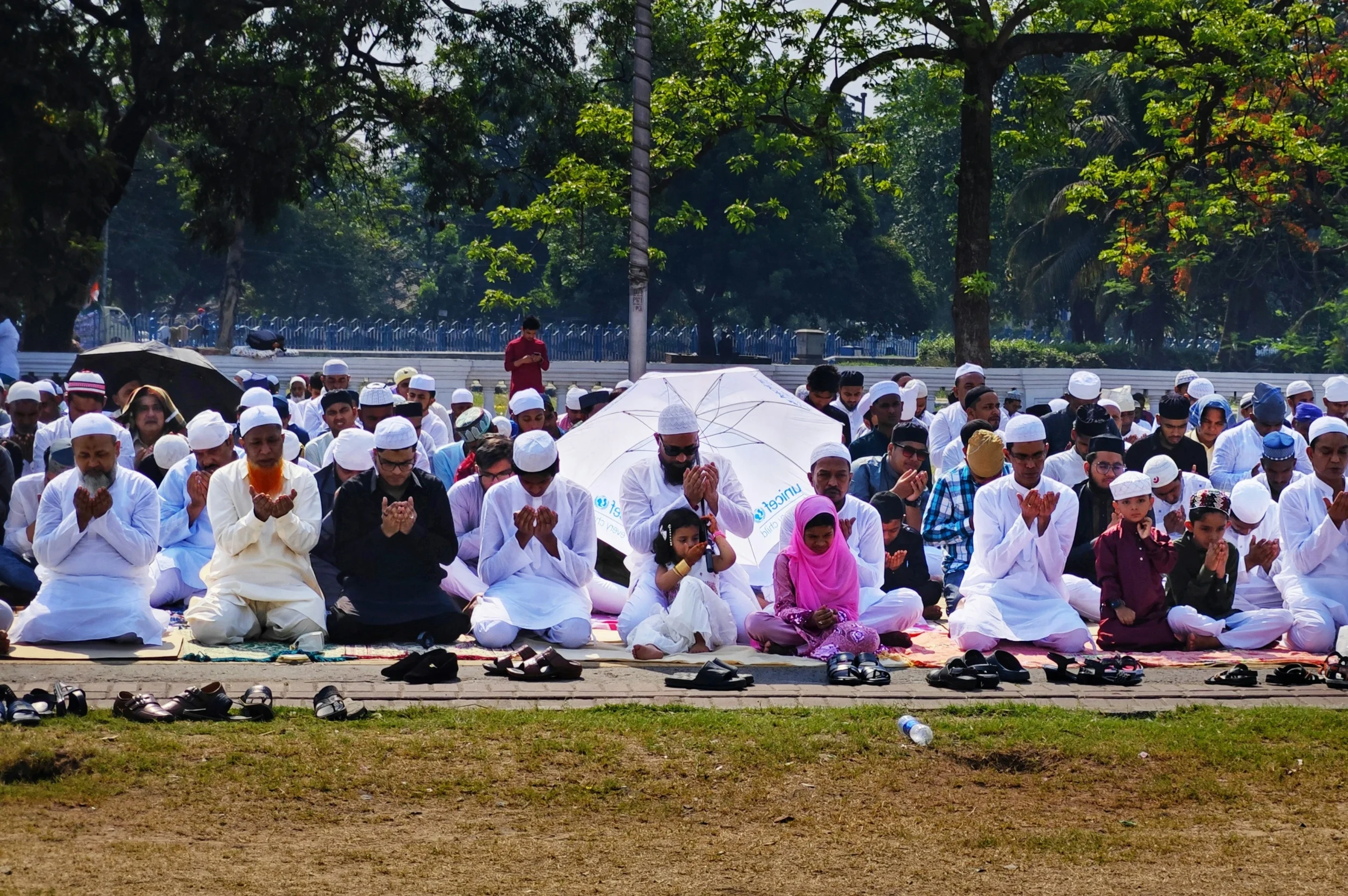
Eid al-Fitr, an Arabic term, literally translates to the “festival of breaking the fast”. It is a momentous occasion that marks the successful conclusion of Ramadan, the Islamic holy month of fasting, prayer, and reflection. This festival is not merely an end to a period of abstinence but a celebration of spiritual achievement, discipline, and renewed commitment to faith. The joyous greeting “Eid Mubarak,” which means “Blessed Eid” or “Have a blessed celebration,” is exchanged among Muslims, encapsulating wishes for happiness, peace, and divine blessings. It’s a phrase that resonates with warmth and goodwill, signifying the shared joy of the community.
1.2. The Deep Spiritual Significance of Eid al-Fitr for Muslims
The spiritual significance of Eid al-Fitr is immense. It is a time for Muslims to express profound gratitude to Allah (SWT) for providing the strength, patience, and self-control to fulfill the rigorous demands of fasting and increased worship during Ramadan. Ramadan is the sacred month during which the first revelations of the Holy Qur’an were bestowed upon Prophet Muhammad (PBUH). Thus, Eid al-Fitr is a celebration of this divine guidance and the spiritual growth attained through a month of devotion, self-reflection, and study of the Qur’an. It symbolizes the idea that patience and steadfastness in faith lead to great rewards, representing the bliss of the hereafter for those dutiful to Allah. The festival serves as a powerful reminder of Allah’s mercy, generosity, and the importance of remembering Him in all circumstances.
1.3. Historical Roots: How Eid al-Fitr Began
The tradition of Eid al-Fitr dates back to the time of Prophet Muhammad (PBUH). It was first established and celebrated in Madinah in 624 CE, during the second year after the Hijra (the Prophet’s migration from Mecca to Madinah). This inaugural celebration occurred after the Muslims completed their very first month of fasting during Ramadan. It is narrated that upon arriving in Madinah, Prophet Muhammad (PBUH) found the people celebrating two specific days with recreational activities. He then announced that Allah had replaced those days with two better days of celebration for Muslims: Eid al-Fitr and Eid al-Adha. This marked the divine institution of these two festivals as integral parts of Islamic tradition.